The need for an integrated transition assessment
The impacts of climate change, nature loss and social inequality will not be experienced in isolation, and they cannot be solved that way either. The world's most influential companies hold the power to determine whether the global transition succeeds or stalls. While many of these companies have targets, progress towards those targets varies and almost none have plans that connect action across the full scope of their impact on people and planet. A company that decarbonises while destroying ecosystems has not transitioned, it has redistributed its risks and will pay the price. A company that cuts emissions while suppressing wages has not delivered, it has passed the cost onto workers and communities and will leave them behind.
WBA's Integrated Transition Assessment will change how we assess and understand transition progress, setting a new global standard for what credible, connected, and consequential corporate action actually looks like. This framework is being built with companies, investors, policymakers and civil society - because no company can transition alone, and no stakeholder can drive accountability in isolation. The transition only works if we move together.
Connected action, real impact
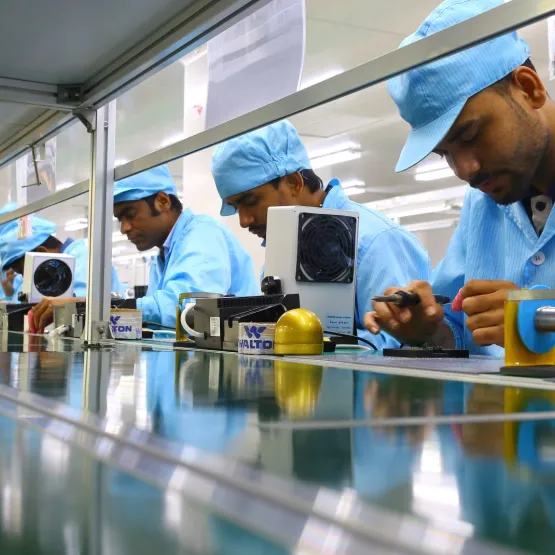
The risks linked to climate change, nature loss and social inequality are more visible, and more consequential, than ever. Extreme weather is disrupting supply chains. Ecosystems that underpin entire industries are degrading. Workers and communities are bearing the costs of a transition that was supposed to benefit them. These are not future risks. They are present realities, already reshaping how companies operate, compete and survive. At the same time, the world has shifted. Political and financial support for the broad sustainability agenda has narrowed. Governments, investors and civil society are focusing their attention on a smaller set of priorities. And many companies, overwhelmed by fragmented reporting requirements and competing demands, are struggling to translate ambition into credible, coordinated action.
Who holds the power?
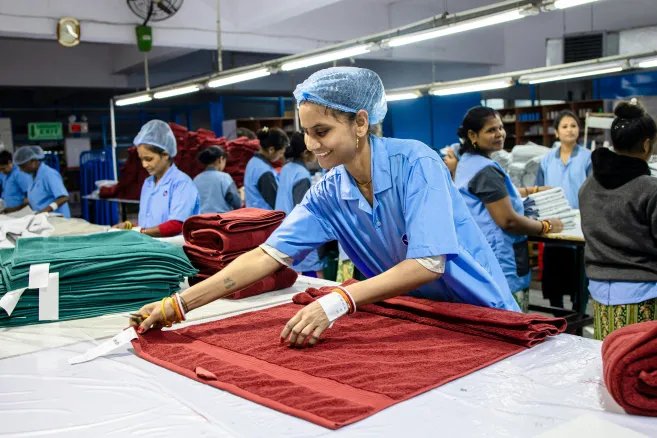
The world's most influential companies employ hundreds of millions of people across their supply chains, account for a disproportionate share of global emissions and land-use, and shape the economic systems that billions of people depend on. How these companies plan, invest and operate over the next decade will determine whether the transition succeeds or stalls.
From fragmentation to focus
The problem is not a lack of commitment. Most companies have targets and many have plans. But almost all of them treat climate, nature and people as separate agendas and this separation is itself part of the problem. And while ambitions are rising, they are outpacing delivery. The gap between what companies have committed to and what they are actually doing is not closing. It is widening. Change does not happen in neat silos. A company that decarbonises while destroying ecosystems has not transitioned – it has redistributed its risks. A company that cuts emissions while suppressing wages has not delivered – it has deferred the cost onto workers and communities.
To impact and consequence
That is why WBA is building the integrated Transition Assessment. Not to add to the complexity, but to cut through it. To define what credible, integrated transition planning actually looks like when climate, social and nature are considered as connected forces. And to make corporate performance visible, comparable and impossible to ignore. Building on a decade of benchmarking, companies, investors, policymakers and civil society will have a global reference point for understanding whether the world's most influential companies are genuinely preparing for, and delivering, the transitions the world urgently needs.
A beacon for progress
WBA is building the framework to generate the evidence and guide truly collaborative and connected action, providing objectivity where truth seems negotiable, and certainty in a world of confusion. For companies, it means a streamlined, integrated view of their transition performance, bringing clarity across competing frameworks and fragmented data to reveal what needs to change, in what order, and where the greatest risks and opportunities lie. For governments, it provides a clear, comparable view of corporate risk management that strengthens economic stability and enables smarter policymaking. For financial institutions, it builds the ability to assess real-world exposure, anticipate stranded assets and identify who is genuinely leading the transition. And for civil society, it means the evidence to demand more than targets and the tools to hold companies to account on their delivery.
Get involved
In April–May 2026, we will be inviting companies, governments, financial institutions and civil society to help us shape what the Integrated Transition Assessment will look like - from metrics that matter, to how the results should be delivered to drive meaningful change. This is your opportunity to ensure the framework works for you, and that it works for the transition. Stay tuned to get involved in the consultations.
Read more about our insights




Subscribe to stay informed on our work
Keep up to date with all the latest from World Benchmarking Alliance