
Advancing resilient, sustainable cities where companies contribute to inclusive, thriving urban environments for all people.
The Urban Benchmark shows utilities setting the pace, with 9 of the top 10 companies coming from sectors that directly determine cities’ energy, water and waste outcomes.
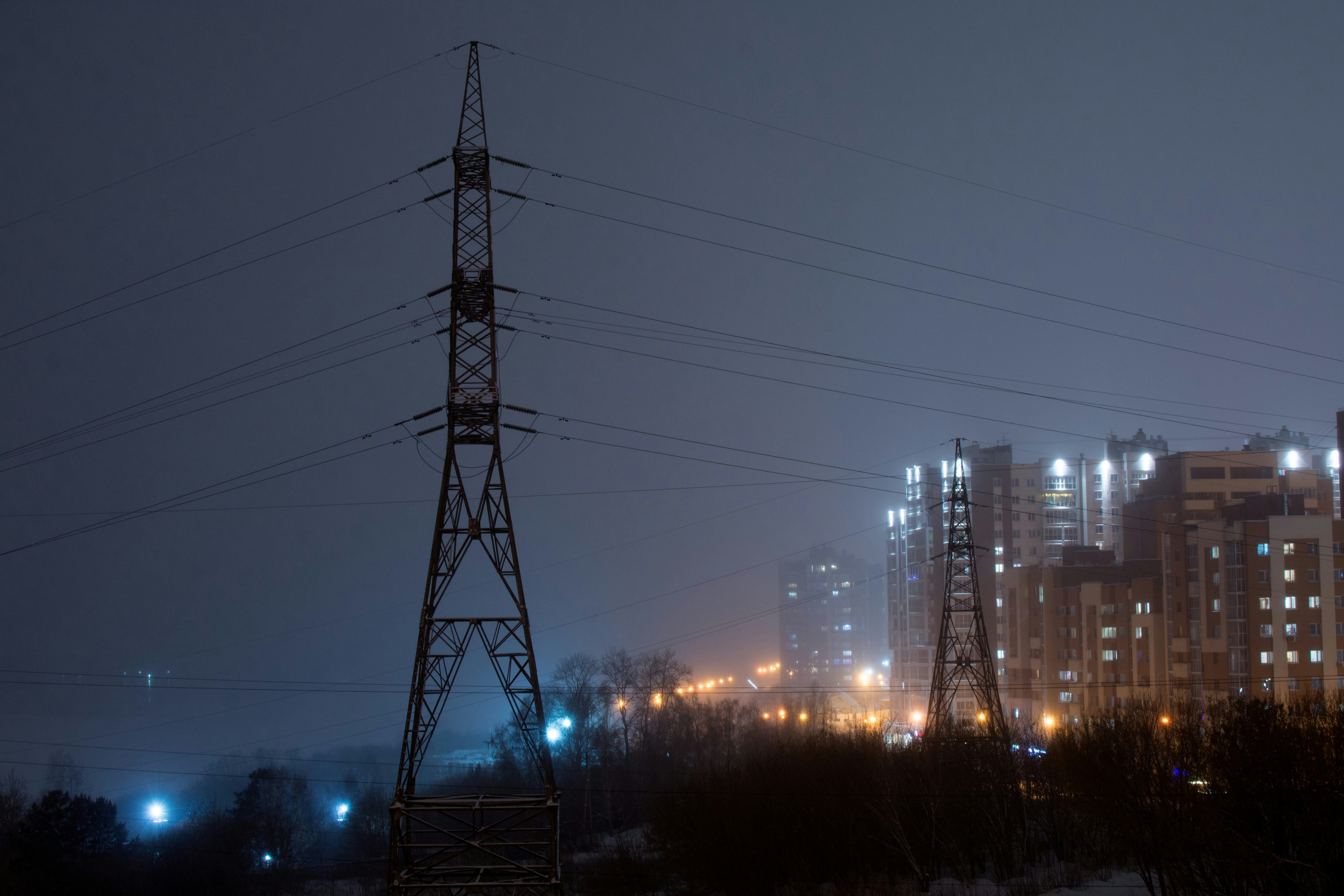
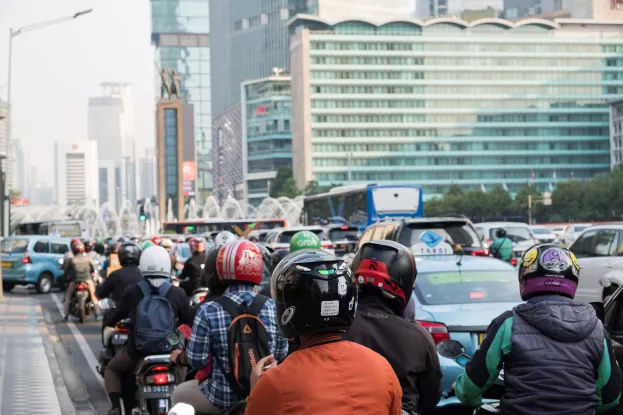
This year, the East Asia & Pacific region has 13 companies in the top 30 of the Urban Benchmark, matching Europe’s count. This is a considerable jump from only 5 companies in the previous iteration. This growth comes from better performance among companies headquartered in emerging markets such as Malaysia, Thailand, and Indonesia.
Only one in fifty companies sets measurable time-bound targets, and one in thirty reports any progress on reducing water use. In urban areas, companies often rely on the same water reservoirs as local populations, increasing strain on shared resources.

Nearly one in three companies mention adaptation in their sustainability disclosures, yet these reports commonly lack a documented adaptation plan, alignment with business objectives, or integration into financial planning. This highlights a significant gap between acknowledging climate risks and embedding adaptation into corporate strategy.
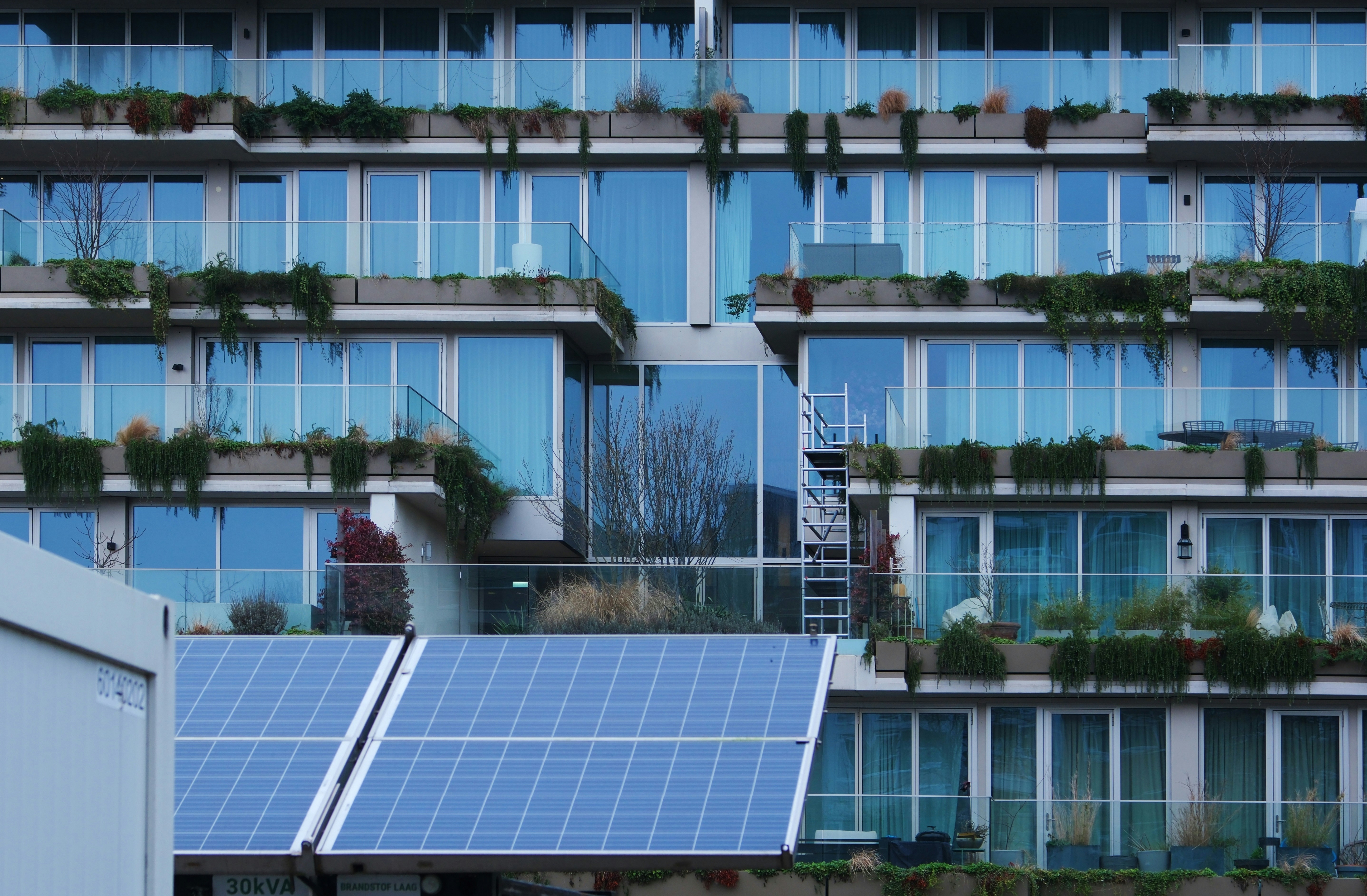
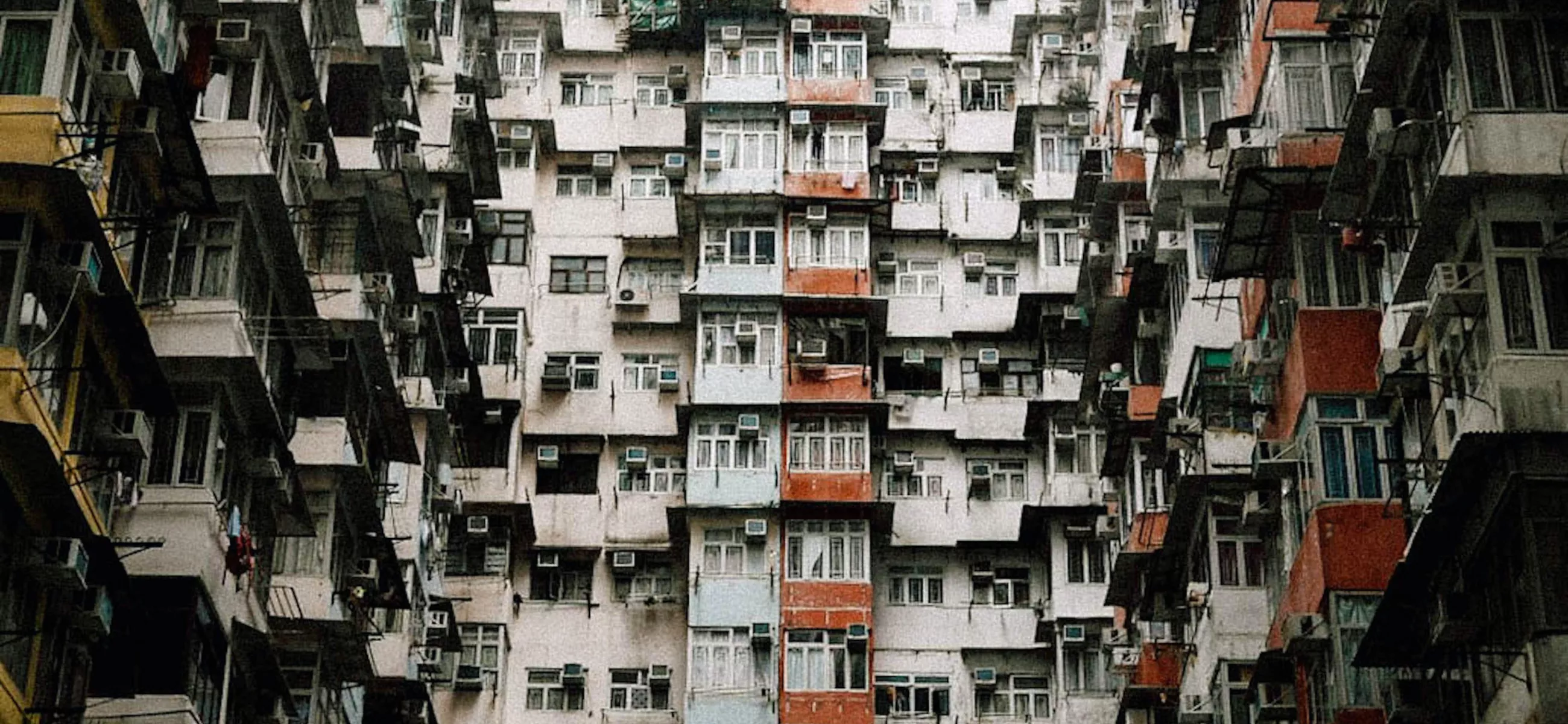
Affordability remains absent in sustainability disclosures across the real estate and construction companies. While increasing housing supply is often presented as a solution, the lack of transparency makes it unclear whether new developments address affordability.
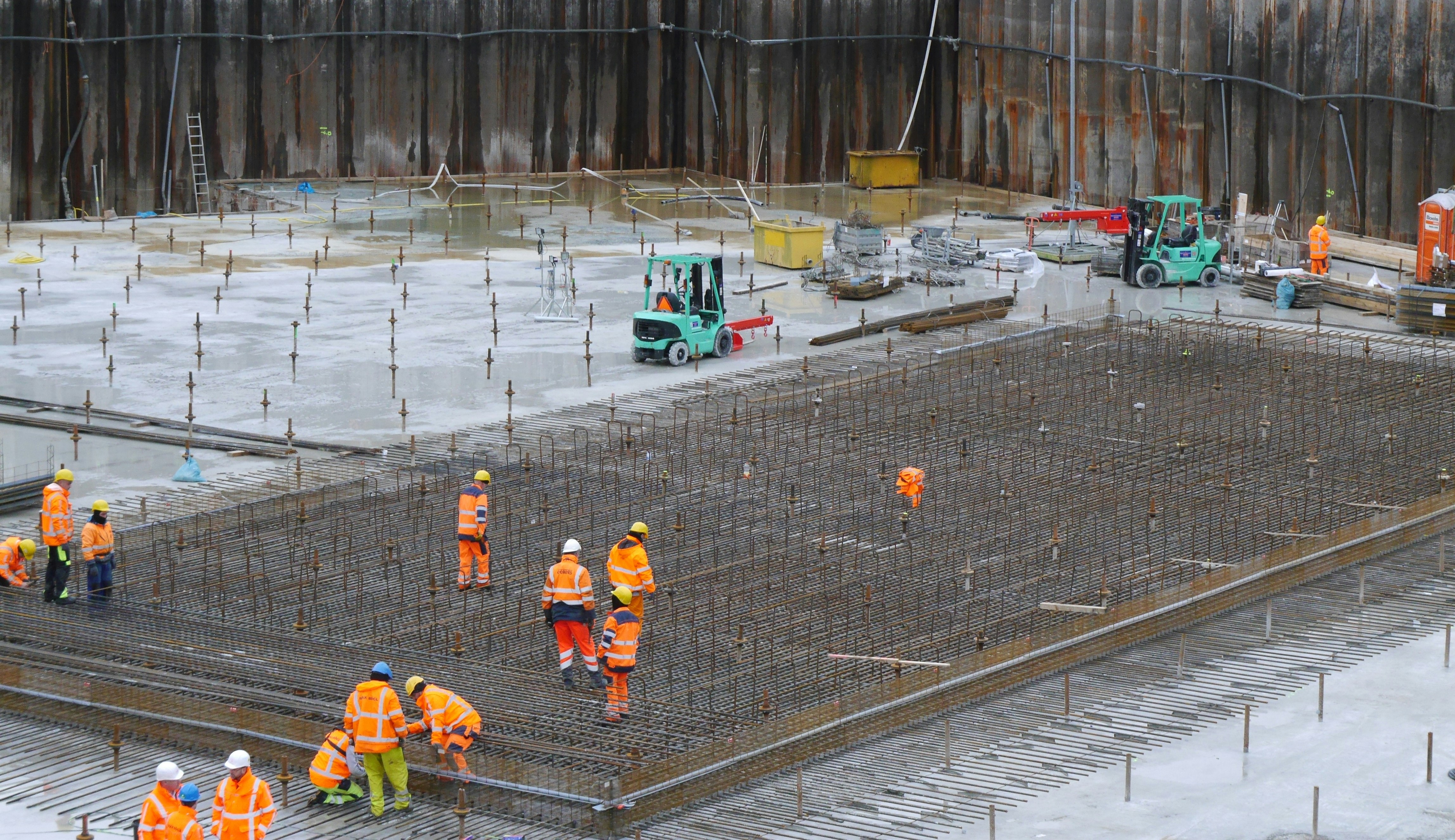
The Urban Benchmark focuses on 300 companies that significantly impact urban sustainability across four key industries: real estate, construction and engineering, transport, and utilities. In addition to the core social indicators (CSIs) which span all of WBA’s benchmarks, the assessment scores companies across 24 indicators specific to the Urban Benchmark, spread over four different measurement areas: Sustainable governance, Inclusive cities, Healthy cities and Climate change and resilient cities.
| Company Name | Total Score | Sustainable governance | Inclusive cities | Healthy cities | Climate neutral and resilient Cities | Core social indicators | ||
|---|---|---|---|---|---|---|---|---|
1 |
Iberdrola
|
40.3/100 |
70.0/100 |
56.2/100 |
8.3/100 |
25.0/100 |
44.4/100 |
|
4 |
United Utilities Group
|
33.5/100 |
60.0/100 |
47.1/100 |
12.5/100 |
25.0/100 |
25.0/100 |
|
28 |
Perusahaan Listrik Negara
|
24.0/100 |
30.0/100 |
43.6/100 |
8.3/100 |
20.8/100 |
14.8/100 |
|
34 |
Saudi Electricity Company
|
23.1/100 |
35.0/100 |
41.4/100 |
12.5/100 |
16.7/100 |
8.8/100 |
|
67 |
Aqualia
|
19.5/100 |
20.0/100 |
37.4/100 |
8.3/100 |
12.5/100 |
16.7/100 |
|
2 |
Enel
|
36.8/100 |
70.0/100 |
35.7/100 |
8.3/100 |
25.0/100 |
50.5/100 |
|
22 |
Adani Energy Solutions
|
25.4/100 |
45.0/100 |
32.1/100 |
16.7/100 |
20.8/100 |
14.4/100 |
|
=119 |
Thames Water
|
13.8/100 |
15.0/100 |
31.9/100 |
0.0/100 |
12.5/100 |
6.9/100 |
|
=78 |
Metropolitan Electricity Authority
|
17.9/100 |
30.0/100 |
31.7/100 |
4.2/100 |
12.5/100 |
10.7/100 |
|
=110 |
American Water Works
|
14.6/100 |
25.0/100 |
31.4/100 |
0.0/100 |
8.3/100 |
6.9/100 |
Companies in this list have disclosure available in a language other than English. As WBA only assesses English-language disclosure, they have not been scored.
- |
Agua y Saneamientos Argentinos |
Not Scored |
|
- |
Bangladesh Road Transport Corp |
Not Scored |
|
- |
CFE |
Not Scored |
|
- |
China Fortune Land Development |
Not Scored |
|
- |
China Southern Power Grid |
Not Scored |
|
- |
Egyptian Electricity Holding Company |
Not Scored |
|
- |
EMT Madrid |
Not Scored |
|
- |
Even Construtora |
Not Scored |
|
- |
Greenland Holdings |
Not Scored |
|
- |
Interaseo |
Not Scored |
|
- |
MetrôRio |
Not Scored |
|
- |
Mosvodokanal |
Not Scored |
|
- |
Promotora Ambiental |
Not Scored |
|
- |
Saigon Water Corporation |
Not Scored |
|
- |
Sao Paulo Metro |
Not Scored |
|
- |
Shanghai Construction Group |
Not Scored |
|
- |
Shanghai Metro |
Not Scored |
|
- |
Shenzhen Metro Group |
Not Scored |
|
- |
SUBUS |
Not Scored |
|
- |
Tianjin Rail Transit Group |
Not Scored |
|
- |
Transmilenio |
Not Scored |
|
- |
Wanda Group |
Not Scored |
This measurement area focuses on whether sustainability is integrated into the company’s core governance framework: from identifying material impacts to setting targets and ensuring board-level responsibility. It highlights the role of leadership, strategy, and accountability mechanisms in driving credible progress from the top.
This measurement area benchmarks companies' contribution to creating urban environments where everyone can thrive. It assesses whether companies ensure their services and developments are adequate, affordable, and accessible to all, while supporting local economic opportunities and respecting land rights and cultural heritage of communities.
This measurement area benchmarks companies' contribution to urban environments that support human health and wellbeing. It evaluates how companies minimize their environmental impacts through water use, waste and reductions in air and noise pollution, while also promoting access to open spaces and enabling active mobility to enhance the quality of life for urban residents.
This measurement area benchmarks companies' contribution to building urban futures that are both low-carbon and climate-resilient. It assesses how companies reduce their greenhouse gas emissions, promote energy efficiency, protect natural ecosystems, and strengthen urban resilience against natural disasters and impacts.
This measurement area captures the foundations of responsible business: respecting human rights, providing decent work, and acting with integrity. Companies achieving strong performance here demonstrate that social responsibility is integral to their business model.
Explore the latest data, download for further analysis or integrate into your own workflows using our API.

Keep up to date with all the latest from World Benchmarking Alliance