Accelerating a transformation to healthy, inclusive, sustainable food systems by assessing companies’ sustainable practices across their operations and supply chains.


Food and Agriculture Benchmark
On this page
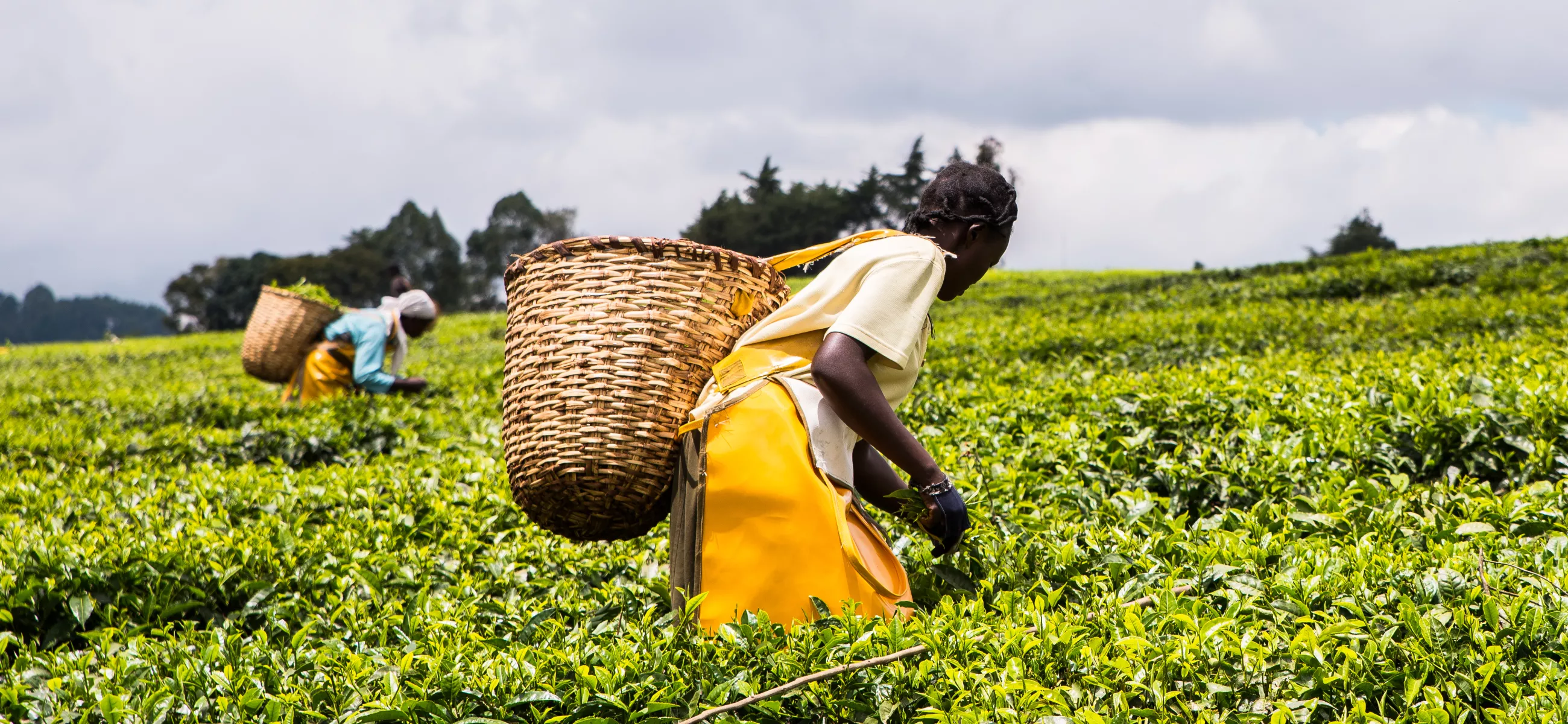
The world’s most powerful food and agriculture companies play a central role in shaping our food systems. These companies have enormous responsibility to ensure that our food is healthy and nutritious, that it is produced in a sustainable way, and that it is affordable to all. Through our Food and Agriculture Benchmark, we assess their progress, reveal critical gaps, and highlight the urgent transformation needed for people and the planet.
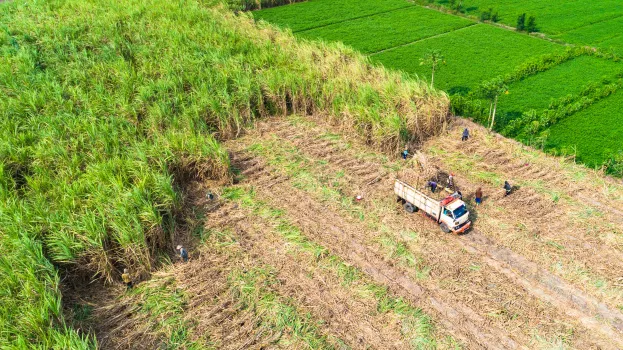
Encouraging signs of embedding sustainability and responsible business principles, but challenges in implementation persist
Around half of the food companies identify and disclose their material impacts, and most have integrated responsible business principles. On environmental issues, target-setting continues, but many companies still fall short on implementation and evidence of progress. Nutrition and support for livelihoods remain the most consistently neglected areas.
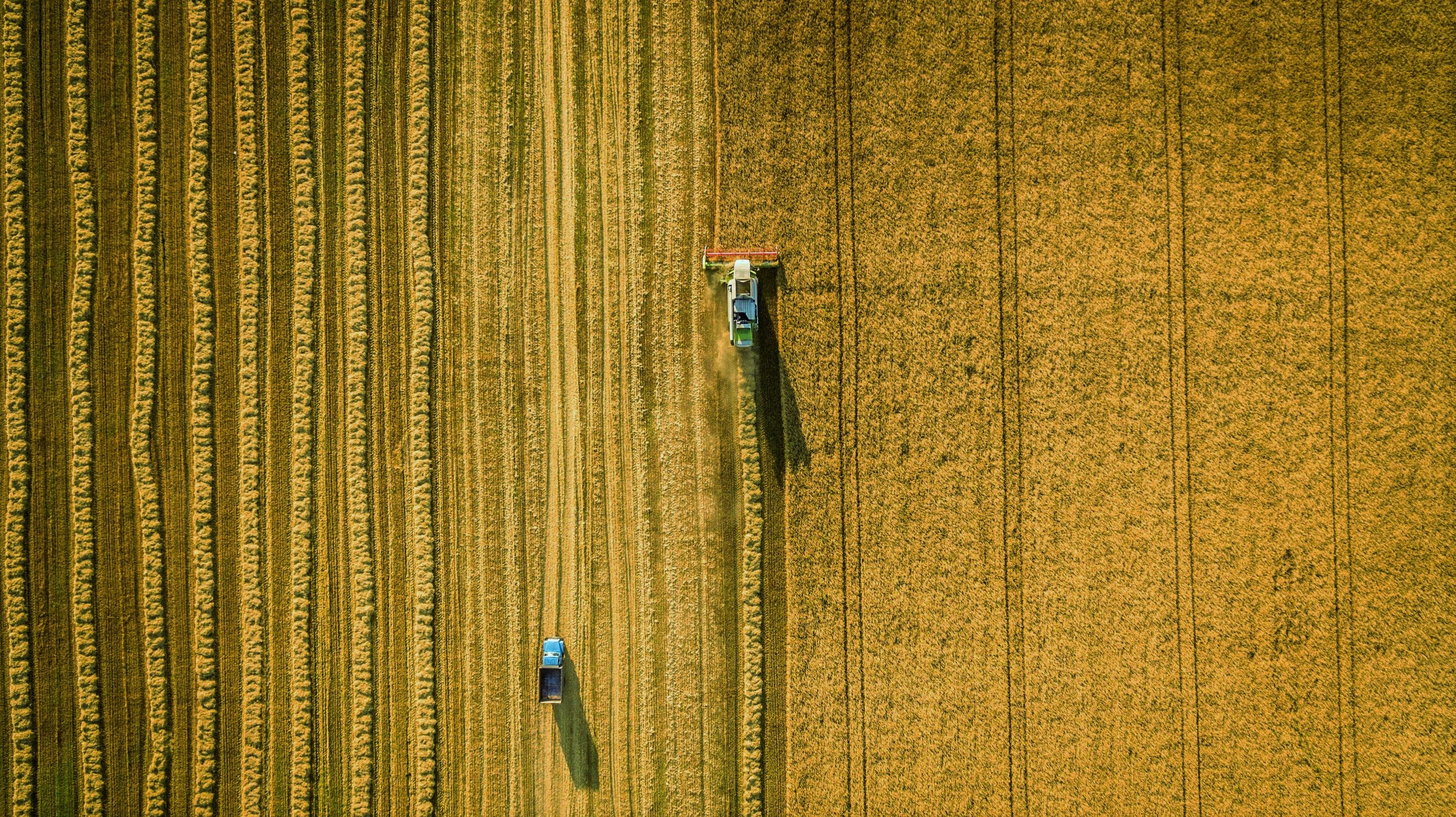
Top performers come from all sectors except agricultural products and restaurants
The top 25 ranking has shifted since the previous iteration. Leading companies include several from the agricultural inputs sector, alongside strong performers among manufacturers, animal protein producers, and retailers. Outside a few dairy and seafood leaders, animal protein shows poor average performance. Restaurant chains remain near the bottom, together with agricultural products, particularly animal feed and fruit and vegetable producers.
Regenerative agriculture picks up momentum across value chain segments
Adoption of sustainable agriculture is increasing: 90 companies report on sustainable agricultural practices – three times as many as in 2023 – covering approximately 1.5 billion hectares. While 17% of companies set targets to improve soil health, implementation remains limited. Only 8% disclose information about their use of pesticides and fertilisers, and only 5% report actual improvements on soil health.
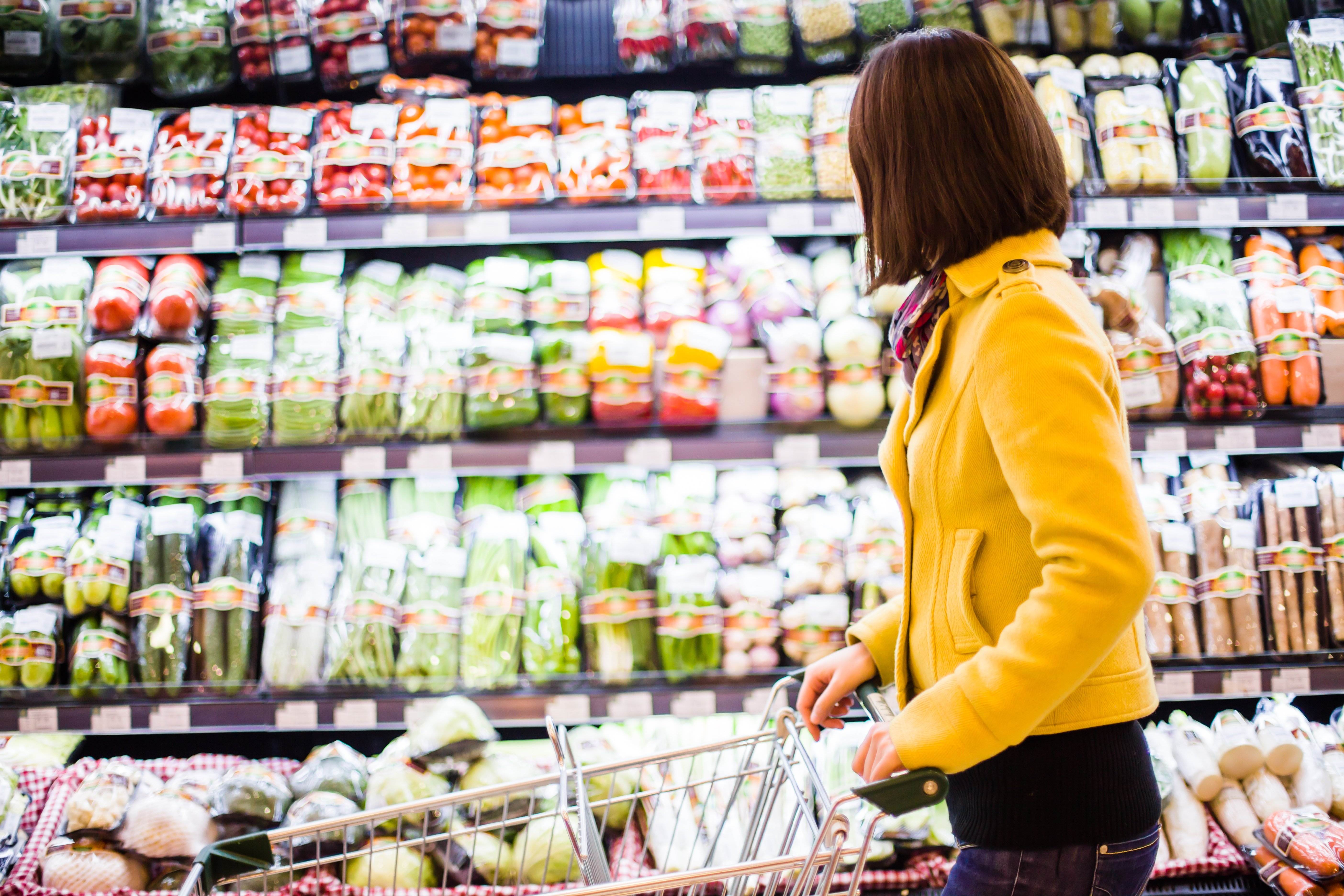
Food and agriculture companies must do more to make healthy products available, including plant-based proteins
Less than 20% of companies report improving the nutritional quality of their products, and only 5% show an increased share of healthier options. Encouragingly, more than a quarter of companies are promoting the consumption of plant-based protein alternatives, but only 6% report the proportion of plant- vs animal-based proteins in their portfolio.
Few companies target living income gaps despite relying on millions of farmers
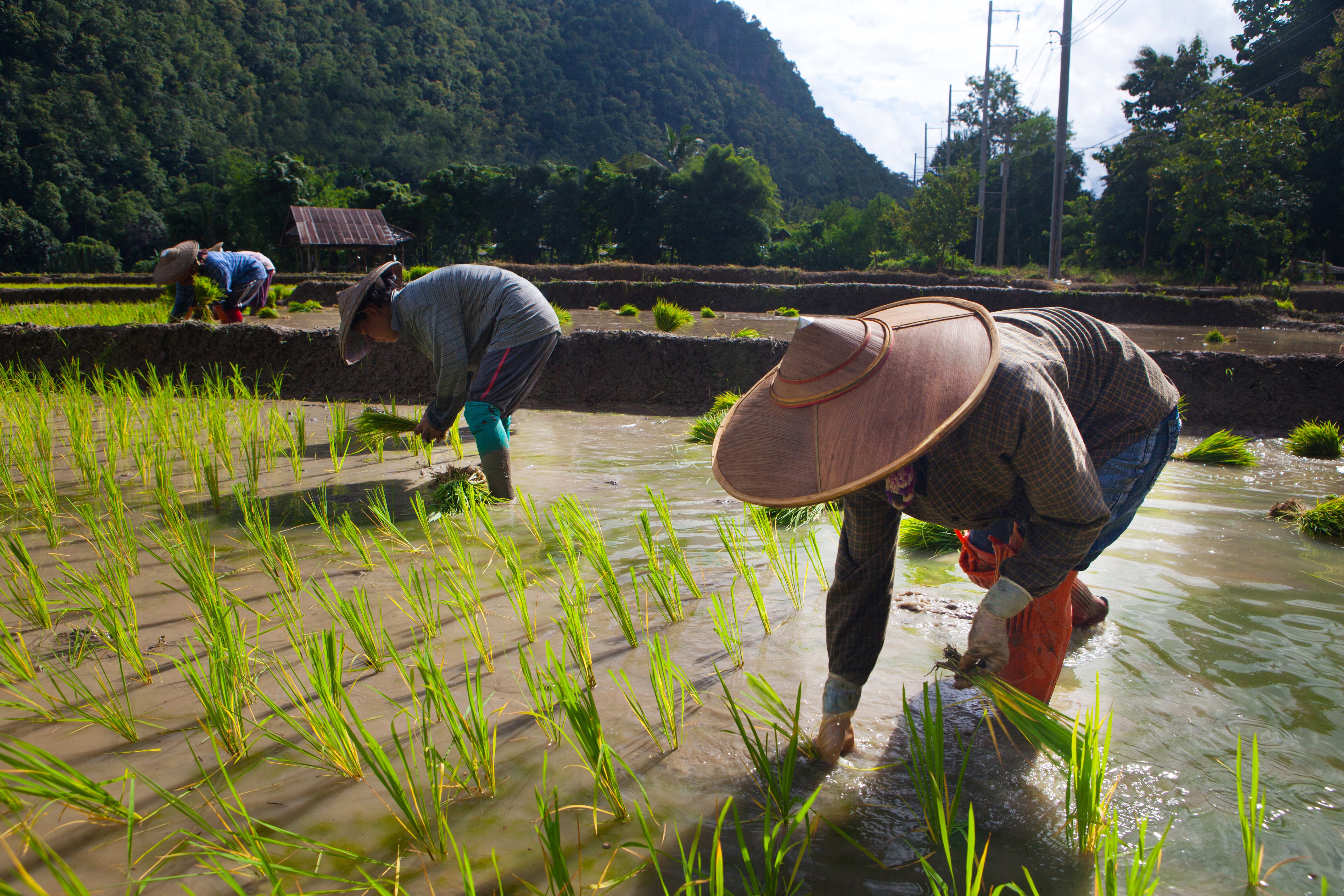
Companies assessed have at least 20 million farmers in their supply chains, but most don’t do enough to ensure fair livelihoods. While a third of these companies have livelihood programmes for farmers and 9% focus on improving climate resilience of small-scale producers, fewer than 3% measure living income gaps or work specifically to closing them.
Food and Agriculture Benchmark latest
EU regulations will raise the bar on living income - and most food companies still have work to do
Blog
Food and Agriculture Benchmark

Response to Australia’s proposed National Food Security Strategy (NFSS)
Policy response
Food and Agriculture Benchmark
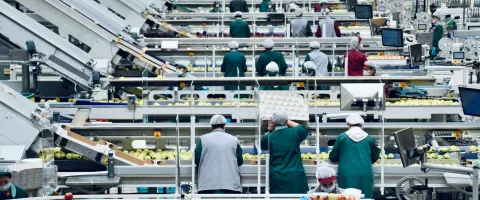
Corporate action is needed to achieve zero hunger
Blog
Food and Agriculture Benchmark
The Methodology for the 2026 Food and Agriculture Benchmark
Methodology
Food and Agriculture Benchmark

Access this data
Explore the latest data, download for further analysis or integrate into your own workflows using our API.

Subscribe to stay informed on our work
Keep up to date with all the latest from World Benchmarking Alliance