
Living wages for social justice: Insights and next steps from the World Social Summit
64th Session of the Commission for Social Development (CSocD64) - Virtual side event
Wednesday, 4 February 11.30 - 12.30 EST
co-hosted by

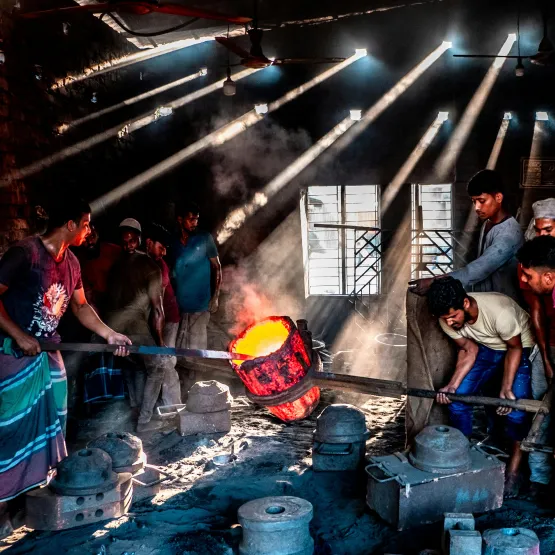
A living wage is fundamental to decent work, social protection, and societal resilience. As an enabling right, paying a living wage generates wide-ranging positive impacts, from reducing poverty and inequality to strengthening local economies, supporting climate resilience, and advancing social cohesion. Progress on living wages is therefore central to sustainable development and to ensuring that no one is left behind.
Last year's World Social Summit resulted in a far-reaching Political Declaration that recognises living wages as a critical driver of poverty reduction, decent work, and social inclusion, firmly establishing living wages as a shared global priority for governments, business, the UN, and civil society.
Delivering on World Social Summit commitments requires coordinated action by governments and the private sector. With the private sector employing nearly two-thirds of the global wage-earning workforce, its role is critical in closing the living wage gap, alongside government action to create enabling policy environments.
This CSocD64 side event will highlight how living wages—now firmly anchored in the Political Declaration—can drive transformative change. It will explore the respective responsibilities of governments and the private sector, and how coordinated, multistakeholder action can accelerate implementation. Drawing on new WBA data on private-sector performance on living wages, alongside the political momentum generated by the World Social Summit, the discussion aims to catalyse continued global action toward aligning wages with social justice, decent work, and shared prosperity.
Latest Updates



Subscribe to stay informed on our work
Keep up to date with all the latest from World Benchmarking Alliance