
From ambition to implementation: Ørsted’s governance model for integrated sustainability leadership
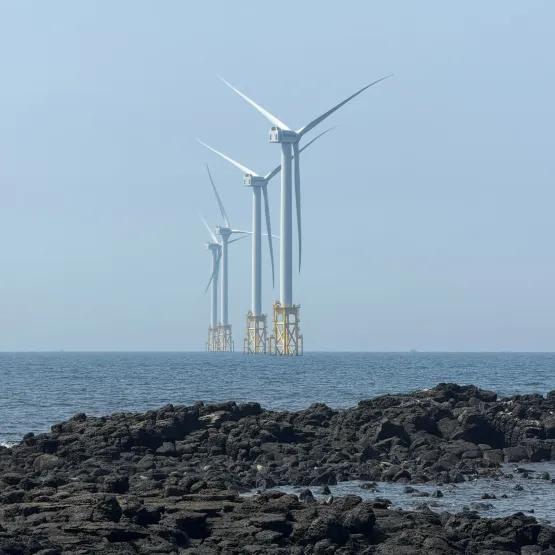
The global energy transition is accelerating, creating a historic opportunity to scale renewable energy while protecting nature and ensuring a just transition for people and communities. However, the expansion of renewable infrastructure brings complex challenges, from land-use competition and biodiversity impacts to marine ecosystem pressures and climate-related risks. For companies such as Ørsted, addressing these interconnected challenges requires more than ambitious climate commitments; it calls for an integrated approach that embeds climate, nature and social priorities into business strategy, governance and decision-making.
Recognised as one of only 14 companies out of 750 assessed in WBA’s 2025 benchmarks and 2026 Integrated Transition Assessment baseline analysis to meet at least 50% of the elements across climate, nature and social topics, Ørsted offers an instructive case study of how corporate governance can connect sustainability ambitions with business accountability and delivery, demonstrating how an integrated transition approach can support long-term business resilience while accelerating the shift to renewable energy.
Latest Updates



Subscribe to stay informed on our work
Keep up to date with all the latest from World Benchmarking Alliance
