
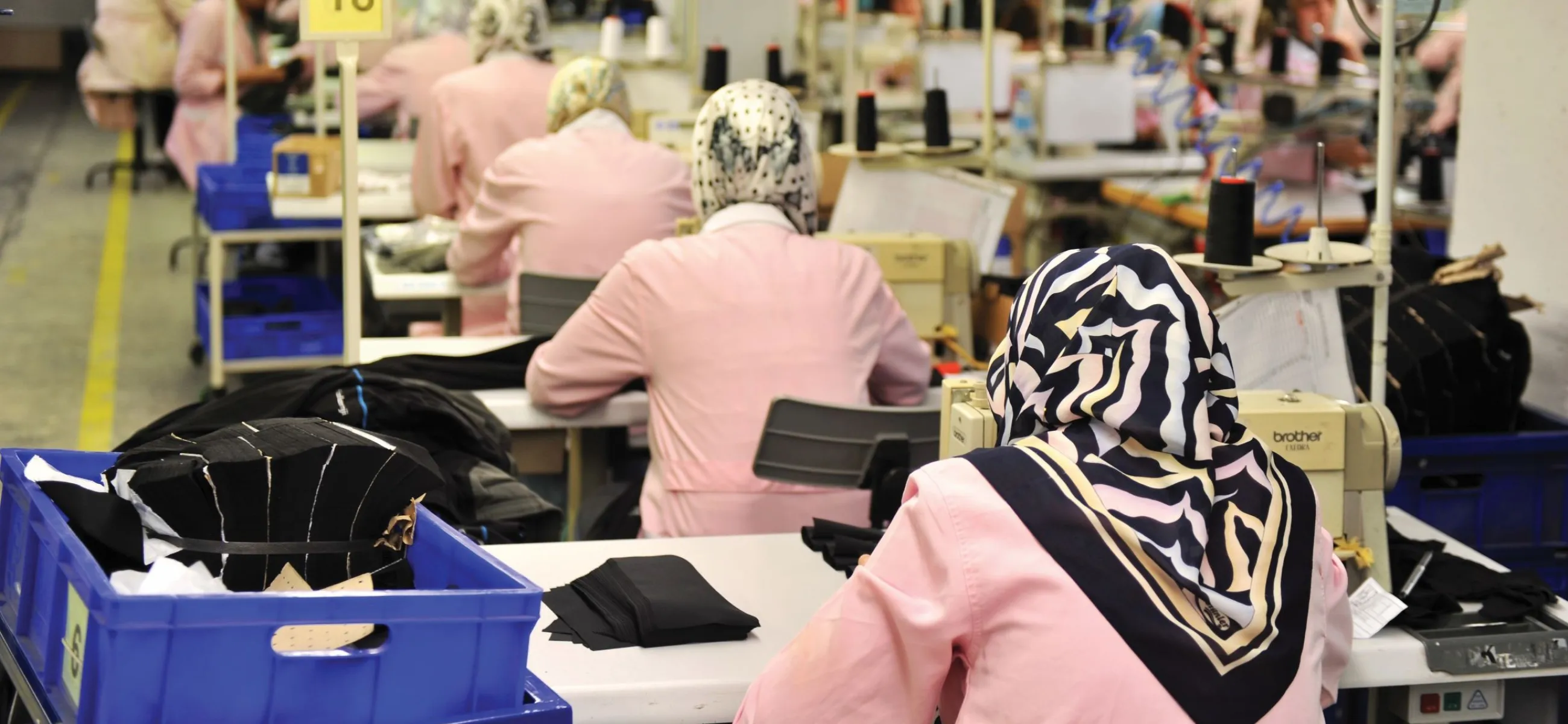

Gender Benchmark
Taking a deep dive into how companies take action to promote gender equality throughout their value chains.
Gender inequality is a social issue that cuts across systems, geographies, and industries. Women experience adverse impacts of business activities disproportionately. By addressing the barriers to gender equality and empowering women within the private sector, huge, positive gains can be made in the achievement of all the Sustainable Development Goals.
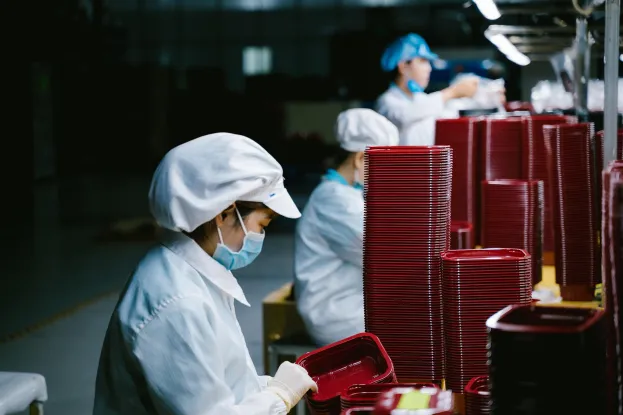
Companies in East Asia and the Pacific show the greatest improvement in advancing gender equality and women’s empowerment
Companies headquartered in Europe continue to lead in advancing gender equality and women’s empowerment, landing the top ranks and highest average regional score. However, companies headquartered in East Asia and the Pacific have surpassed their North American peers compared to this last iteration of the Gender Benchmark.
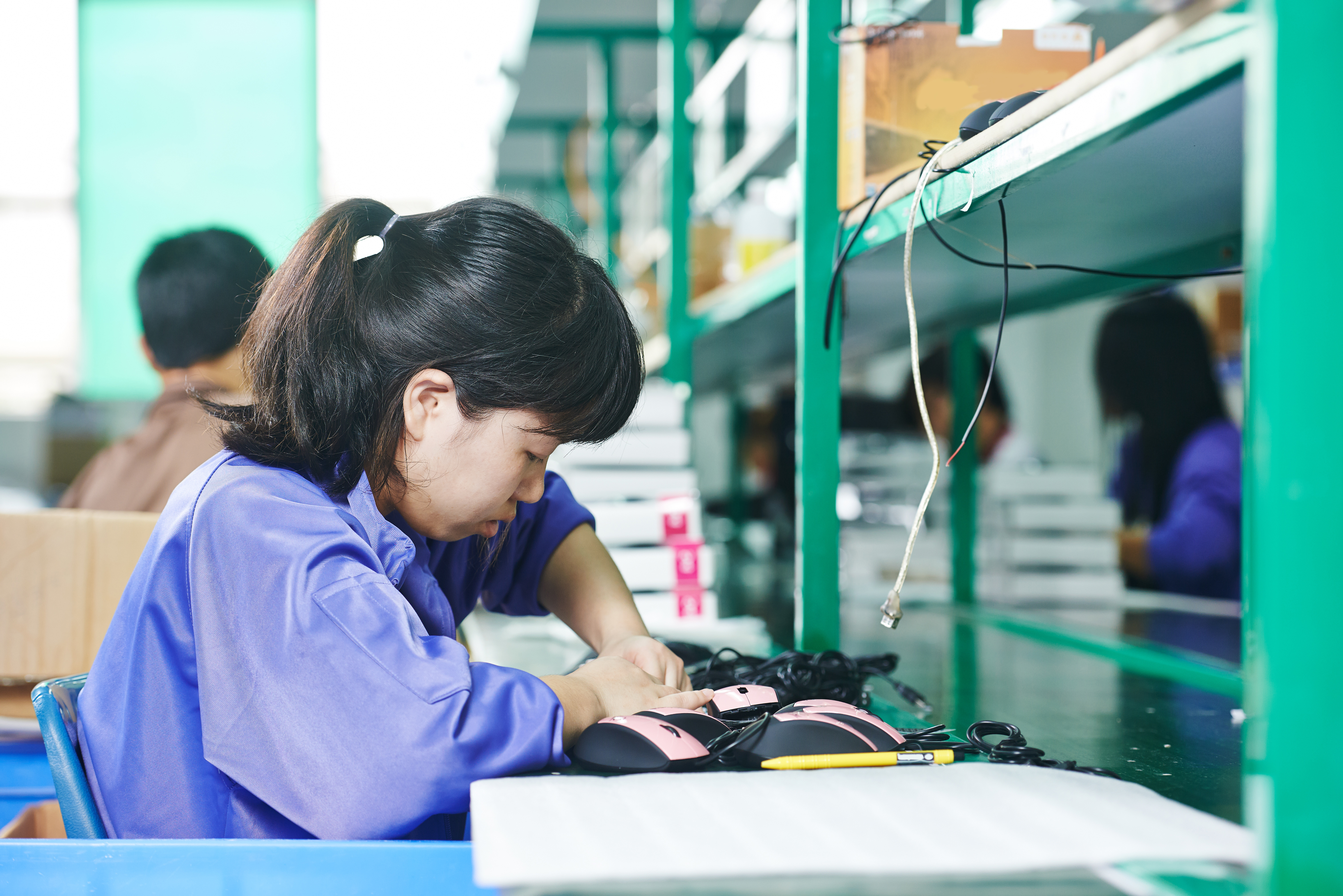
Too few companies consult their workers or external stakeholders on gender-related issues
Fewer than a quarter of the companies assessed seek feedback from their workers or external stakeholders on gender-related issues. Among those that do, even fewer go on to integrate this feedback into their policies or practices. While discouraging, there is evidence that good practices do exist, presenting an opportunity for companies to learn from their peers.
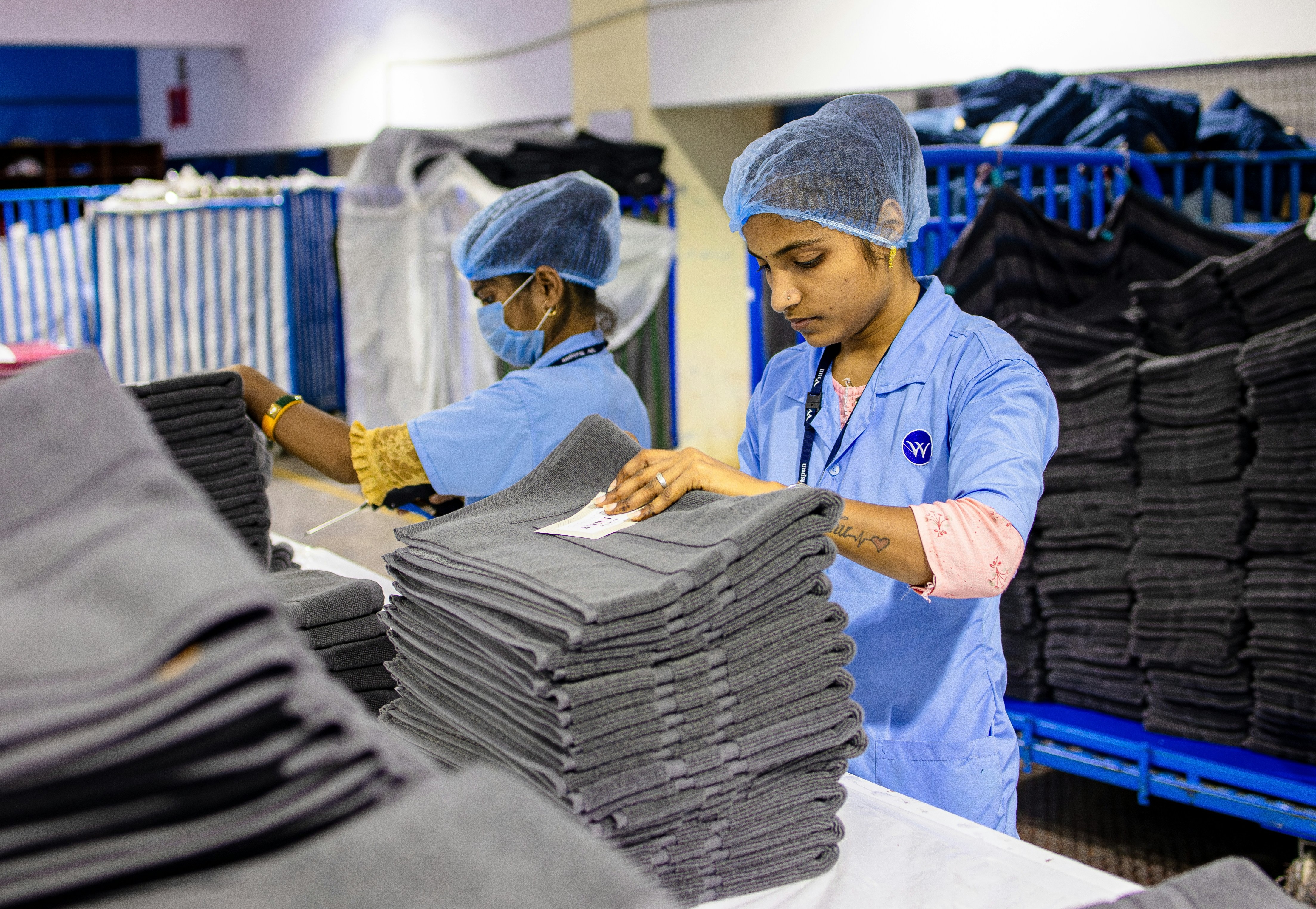
Companies prioritise the prevention of violence and harassment across both their own operations and supply chains
Nearly all companies assessed have a policy in place addressing violence and harassment in their own operations and require their suppliers do the same. While more can be done to ensure these policies are survivor-centric, fully understood and embedded in the company, their widespread adoption provides a strong foundation and an opportunity to raise expectations and accelerate progress.
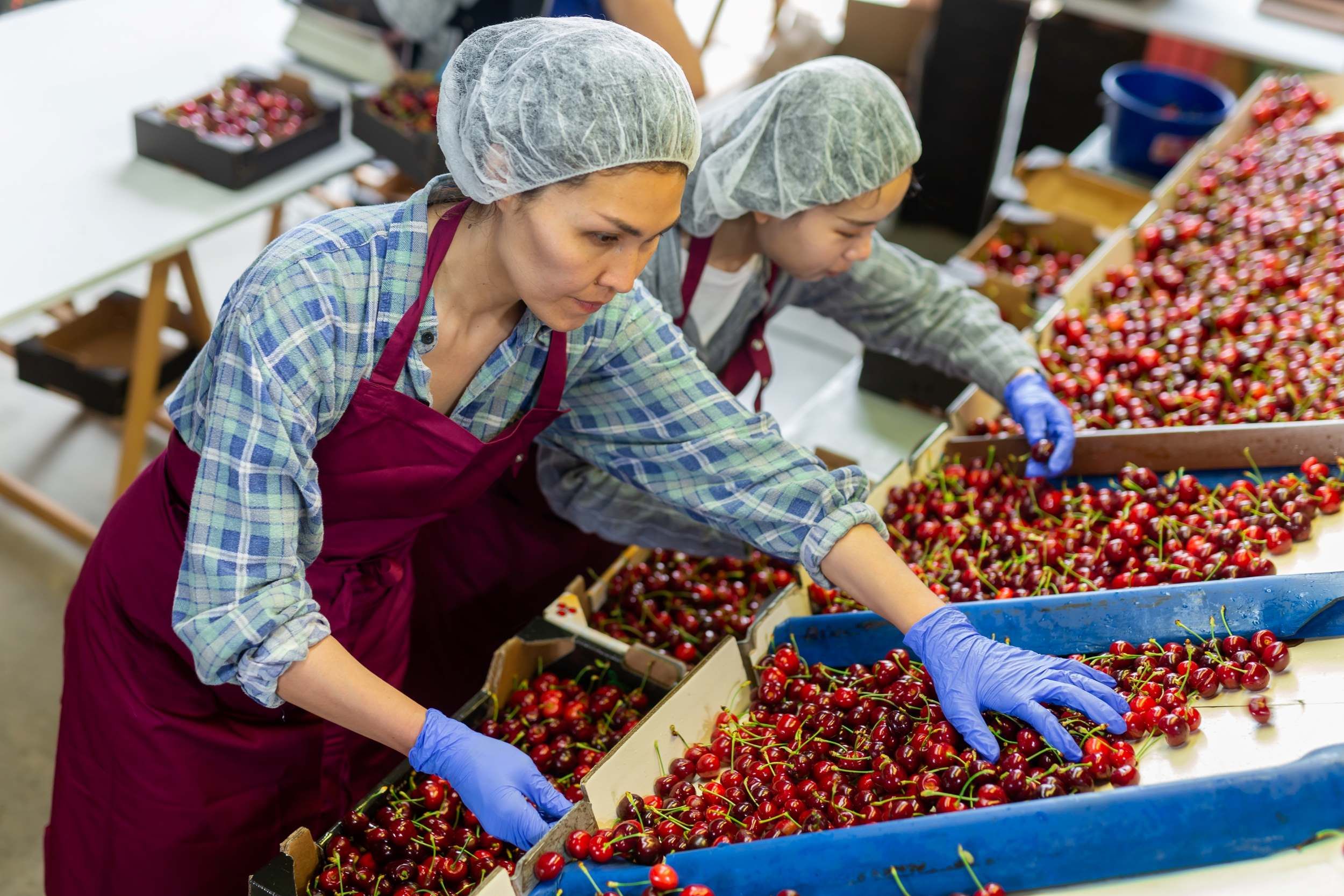
Gender Benchmark latest

Gender Benchmark vs Gender Assessment: What is the difference?
WBA has taken a dual approach to assess companies on gender equality, aiming for both scale and depth in our efforts to hold companies accountable on how they companies respect and promote gender equality.
The Gender Benchmark applies the full methodology across approximately 100 companies from two sectors that have been identified as having a great impact, both positive and negative, on gender equality: apparel, and food and agriculture. It is important to note that while these two high-impact sectors have been selected to be included in the Gender Benchmark, the full methodology may be applied to companies across all sectors.
The Gender Assessment focuses on scale and involves a subset of the full Gender Benchmark Methodology applied to all of the 2,000 companies we assess – to determine where they are on their path towards gender equality.

Access this data
Explore the latest data, download for further analysis or integrate into your own workflows using our API.

Subscribe to stay informed on our work
Keep up to date with all the latest from World Benchmarking Alliance