Taking a deep dive into how companies take action to promote gender equality throughout their value chains.
Companies headquartered in Europe continue to lead in advancing gender equality and women’s empowerment, landing the top ranks and highest average regional score. However, companies headquartered in East Asia and the Pacific have surpassed their North American peers compared to this last iteration of the Gender Benchmark.
Fewer than a quarter of the companies assessed seek feedback from their workers or external stakeholders on gender-related issues. Among those that do, even fewer go on to integrate this feedback into their policies or practices. While discouraging, there is evidence that good practices do exist, presenting an opportunity for companies to learn from their peers.
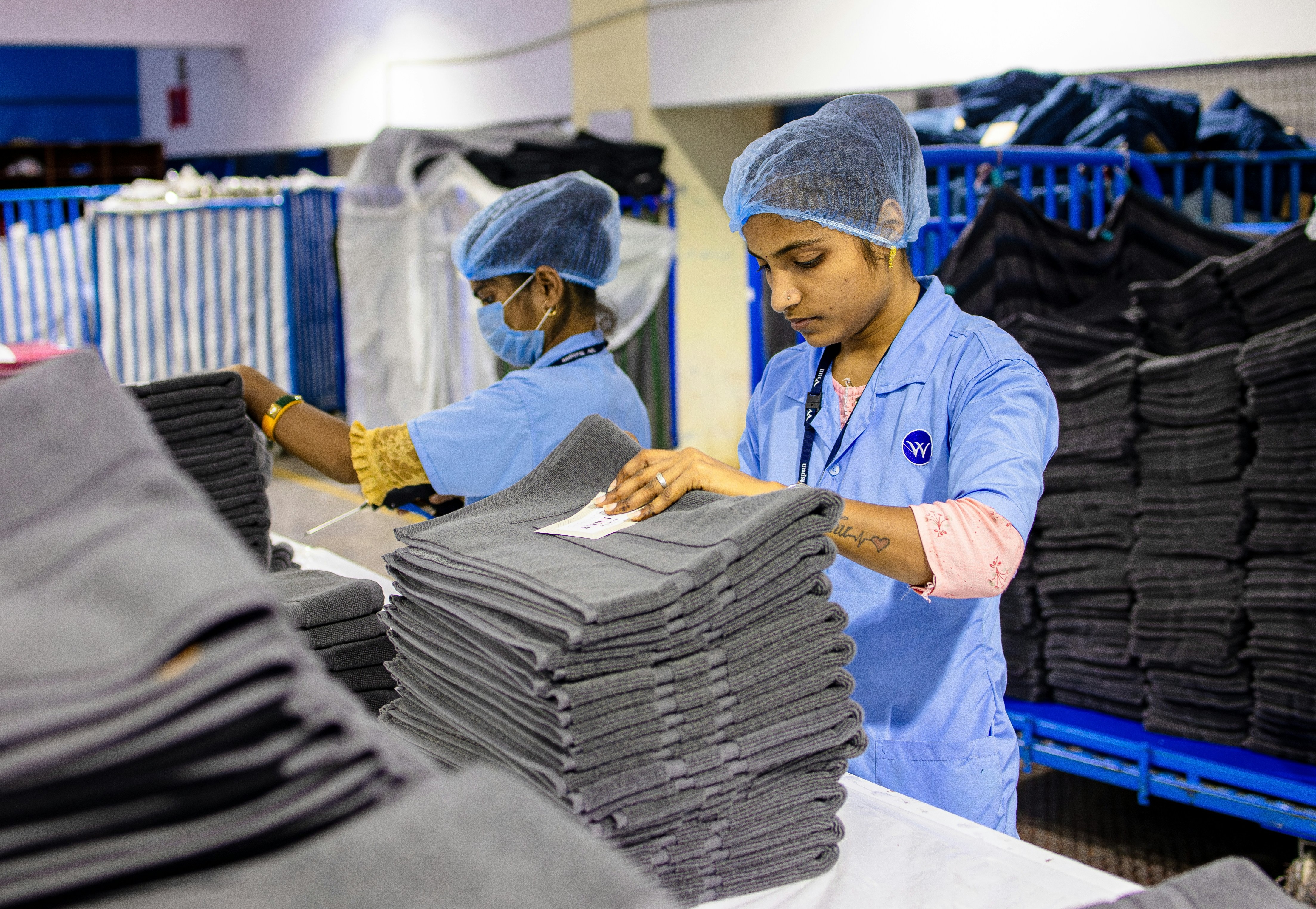
Nearly all companies assessed have a policy in place addressing violence and harassment in their own operations and require their suppliers do the same. While more can be done to ensure these policies are survivor-centric, fully understood and embedded in the company, their widespread adoption provides a strong foundation and an opportunity to raise expectations and accelerate progress.
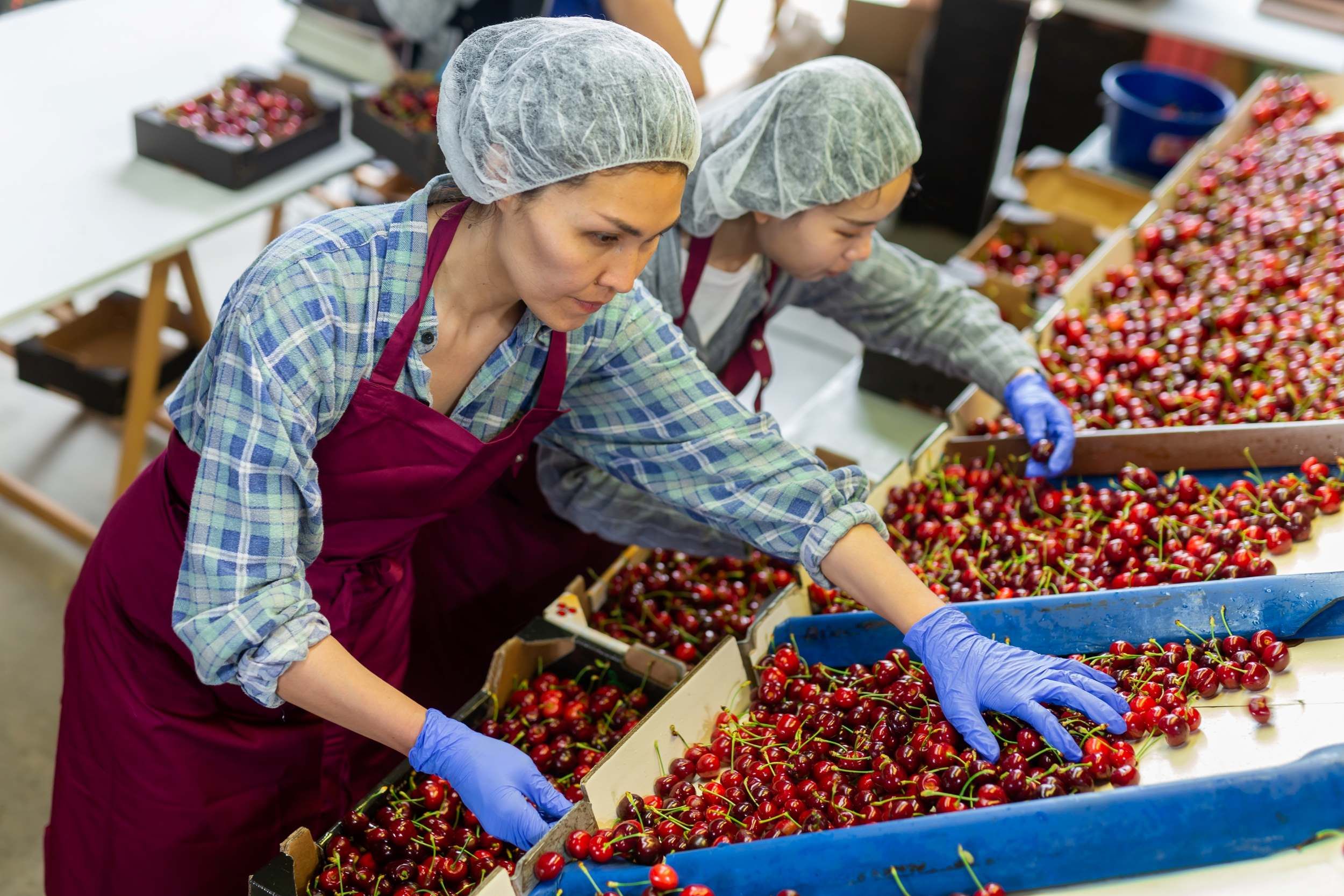
The Gender Benchmark assesses around 100 companies from two sectors that have been identified as having a great impact, both positive and negative, on gender equality: apparel, and food and agriculture. The companies have been scored on 91 elements across the measurement areas of governance and strategy, representation, compensation and benefits, health and well-being, violence and harassment, and marketplace and community.
| Company Name | Total Score | Governance and strategy | Representation | Compensation and benefits | Health and well-being | Violence and harassment | Marketplace and community | ||
|---|---|---|---|---|---|---|---|---|---|
39 |
Abercrombie & Fitch
|
26.0/100 |
10.7/100 |
32.1/100 |
10.7/100 |
37.5/100 |
37.5/100 |
33.3/100 |
|
6 |
Adidas
|
50.6/100 |
64.3/100 |
47.6/100 |
41.7/100 |
58.3/100 |
43.8/100 |
41.7/100 |
|
61 |
Aeon
|
20.9/100 |
25.0/100 |
9.5/100 |
14.3/100 |
37.5/100 |
27.1/100 |
0.0/100 |
|
31 |
Ahold Delhaize
|
28.2/100 |
39.3/100 |
47.6/100 |
7.1/100 |
20.8/100 |
37.5/100 |
0.0/100 |
|
94 |
Couche-Tard
|
10.5/100 |
17.9/100 |
4.8/100 |
10.7/100 |
0.0/100 |
22.9/100 |
0.0/100 |
|
17 |
Amazon
|
35.5/100 |
32.1/100 |
42.9/100 |
21.4/100 |
66.7/100 |
22.9/100 |
16.7/100 |
|
92 |
American Eagle Outfitters
|
11.0/100 |
10.7/100 |
10.7/100 |
7.1/100 |
16.7/100 |
14.6/100 |
0.0/100 |
|
68 |
Anheuser-Busch InBev
|
19.1/100 |
17.9/100 |
14.3/100 |
7.1/100 |
41.7/100 |
22.9/100 |
0.0/100 |
|
40 |
ANTA
|
25.9/100 |
28.6/100 |
28.6/100 |
14.3/100 |
37.5/100 |
20.8/100 |
25.0/100 |
|
78 |
ADM
|
15.5/100 |
17.9/100 |
14.3/100 |
0.0/100 |
37.5/100 |
14.6/100 |
0.0/100 |
This measurement area looks at a company’s overall commitment to gender equality and women’s empowerment across its full value chain. It considers how gender equality and women’s empowerment is integrated into a company's governance structure, strategy, processes and management systems, as well as how a company engages with internal and external stakeholders to manage and improve its gender impacts. It also considers a company’s explicit commitment to gender equality and women’s empowerment in its supply chain.
This measurement area considers the fair representation of women across the workforce broadly, as well as the systemic discrimination that women have continued to face. It considers gender diversity in leadership, not just in governance bodies but also at all levels of leadership both in the workplace and in the supply chain. It also considers gender diversity in areas of a company where women have traditionally been discriminated against, including in traditionally male or female functions in the workplace, as well as in various aspects of a company’s supply chain including where women workers and entrepreneurs have not been appropriately treated or represented.
This measurement area considers the fair compensation of women and addresses the gender pay gap that persists globally. The issue of compensation and benefits manifests itself as a gender pay gap in a company’s workplace, while in a company’s supply chain the focus is on whether women are extended formal contracts and a living wage, both of which are inextricably linked to the gender pay gap. Further, this measurement area considers the key family-friendly benefits that companies and their suppliers should extend to their workers in order to support their unpaid care burden, which women disproportionately carry.
This measurement area considers the unique health and well-being needs of women workers, particularly those related to sexual and reproductive health, which are central to achieving gender equality and women’s empowerment. It explores the extent to which a company supports its women workers with critical health information and services, both in the workplace and in its supply chain. It also considers the health and safety of the work environment extended to women workers in the supply chain.
Violence and harassment in the world of work can constitute a human rights violation or abuse, and it is a threat to equal opportunities as well as unacceptable and incompatible with decent work. This measurement area looks at a spectrum of actions that a company can take to prevent violence and harassment in the workplace and in its supply chain. It also considers the process a company can implement to address and effectively remediate claims of violence and harassment.
This measurement area encompasses the remaining value chain components beyond the workplace and supply chain. It looks at the non-discriminatory marketing practices that a company has in place to ensure gender-responsive communications and engagement with its various stakeholders, including customers, to support gender equality and women’s empowerment.
WBA has taken a dual approach to assess companies on gender equality, aiming for both scale and depth in our efforts to hold companies accountable on how they companies respect and promote gender equality.
The Gender Benchmark applies the full methodology across approximately 100 companies from two sectors that have been identified as having a great impact, both positive and negative, on gender equality: apparel, and food and agriculture. It is important to note that while these two high-impact sectors have been selected to be included in the Gender Benchmark, the full methodology may be applied to companies across all sectors.
The Gender Assessment focuses on scale and involves a subset of the full Gender Benchmark Methodology applied to all of the 2,000 companies we assess – to determine where they are on their path towards gender equality.
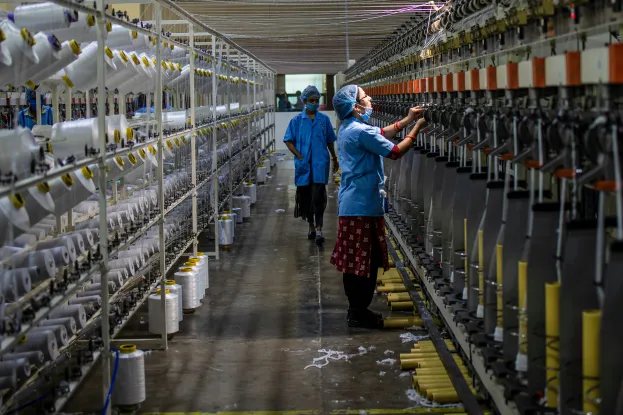
Explore the latest data, download for further analysis or integrate into your own workflows using our API.

Keep up to date with all the latest from World Benchmarking Alliance