
Advancing corporate transition planning to enable a fossil fuel future
Insights into the readiness of 280 of the world’s most influential companies across oil & gas, electric utilities, steel and automotive manufacturing - and where they are heading in the transition.
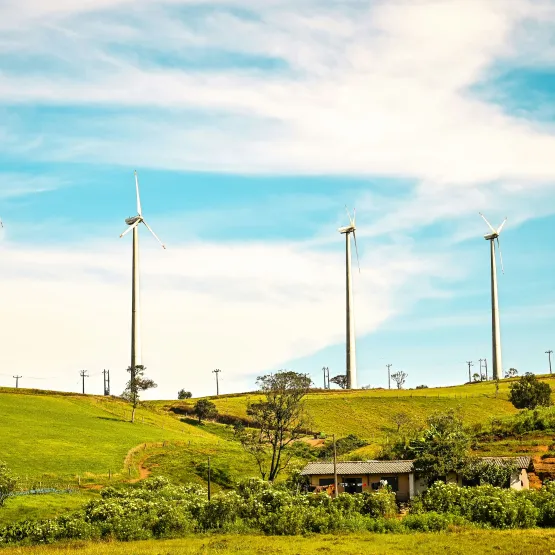
Fossil fuel dependence is not only an emissions challenge, but creates growing economic and energy security risks. These risks are increasingly visible, as geopolitical tensions drive price spikes and supply instability across global energy markets. While some companies benefit from short-term gains, households and vulnerable communities face rising energy costs and insecurity. This imbalance highlights the urgent need for a more resilient, equitable and coordinated transition.
Energy companies are at the heart of this shift. This insight report draws on WBA’s 2026 assessment of 280 companies across four critical sectors - oil & gas, electric utilities, steel and automotive manufacturing. Together, these sectors shape the pace and feasibility of a managed transition through their emissions profiles, investment decisions and employment footprint.
What the evidence shows
The findings reveal a clear gap between ambition and real economy transformation:
- Ambition and credibility remain inadequate. Progress on long-term targets is uneven, and in high-emitting sectors such as oil & gas, fewer than one in ten companies have credible targets covering their most material emissions.
- Capital allocation is where the transition stalls. Low-carbon investment falls well short of what 1.5°C pathways require. Gaps across sectors are interconnected - delays in renewable scale-up slow progress in steel, which in turn constrains low-emission automotive production.
- Just transition remains underdeveloped. Only 4% of companies have measurable workforce targets and just 3% address impacts on communities, highlighting a major gap between climate ambition and social planning.
- Stronger policy signals drive stronger corporate action. Where regulatory frameworks are clear, companies move faster. Where policy direction is weak or fragmented, corporate strategies continue to reinforce fossil fuel dependence.
A moment for progress
These findings come at a decisive moment. The First Conference on Transitioning Away from Fossil Fuels (TAFF) in Santa Marta represents a shift from ambition to implementation.
As an official co-lead of the Private Sector Engagement Track, WBA is contributing evidence to ensure that corporate action is fully embedded in the transition.
The findings point to a clear set of priorities to enable credible corporate transition planning:
- Mandatory disclosure and transition planning requirements for large companies, to strengthen transparency, accountability and the evidence base for action.
- Sector-specific phase-out timelines, supported by clean energy targets and investment frameworks, to provide certainty for capital reallocation and accelerate low-carbon transformation.
- Integration of just transition frameworks into national strategies, ensuring workforce and social impacts are embedded in transition planning.
- Stronger interoperability and uptake of standards and independent assessment, to enable consistent evaluation of corporate transition plans and improve comparability across jurisdictions.

Subscribe to stay informed on our work
Keep up to date with all the latest from World Benchmarking Alliance